Pancreatic Cancer
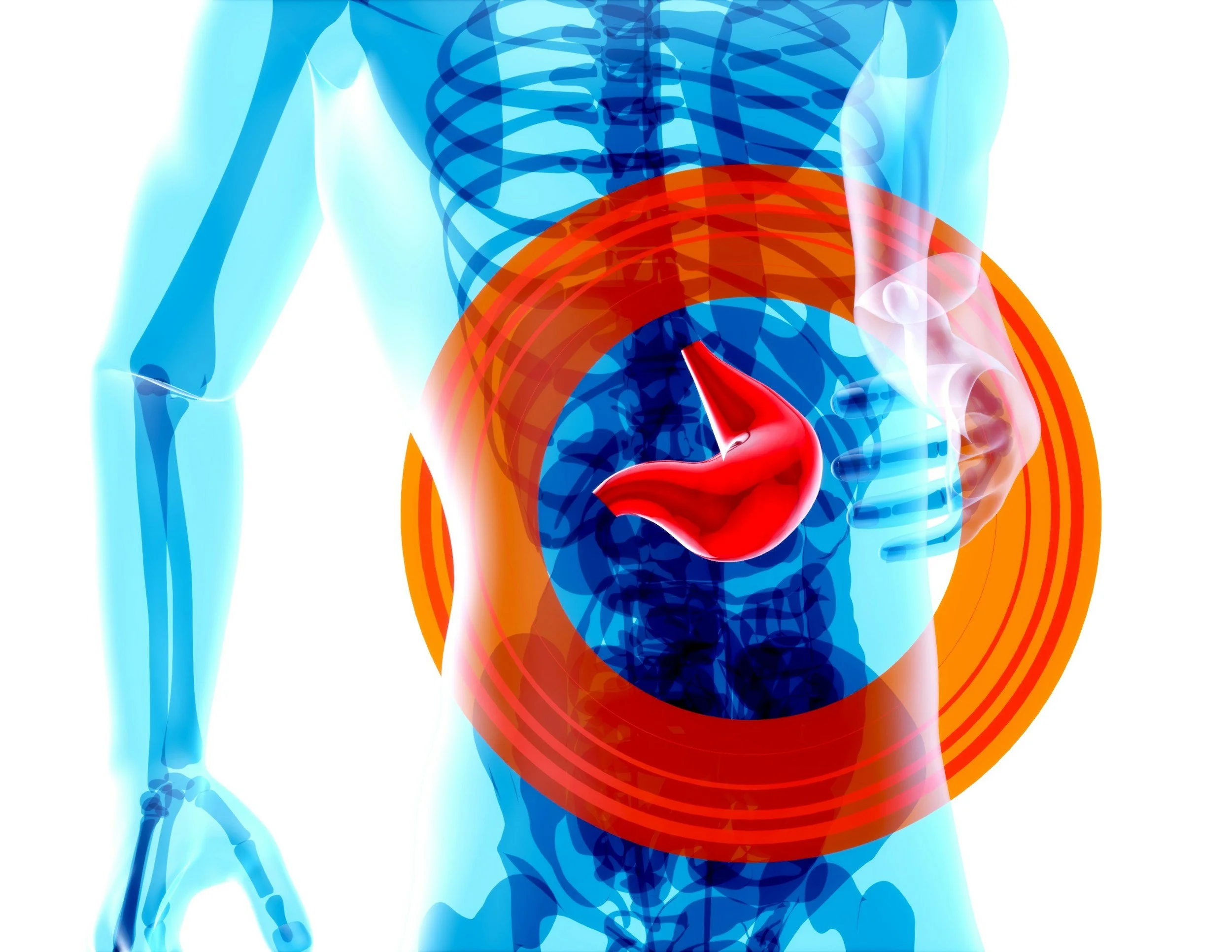
Pancreatic Cancer - Understanding the signs, risks and challenges of one of the toughest cancers
The pancreas may be small and largely hidden from view, but it plays an essential role in keeping the body functioning. Located deep in the upper abdomen, behind the stomach, this gland produces enzymes that help digest food and hormones, including insulin, that help regulate blood sugar.
Pancreatic cancer begins when cells within the pancreas become abnormal, multiply uncontrollably and form a malignant tumour. It can develop in any part of the organ, although approximately 70% of pancreatic cancers are found in the head of the pancreas.
What makes pancreatic cancer particularly challenging is that early disease often causes few, if any, noticeable symptoms. By the time symptoms appear, the cancer may have grown considerably or spread to other parts of the body.
The disease in numbers
Pankind reports that approximately 412 people are diagnosed with pancreatic cancer worldwide each day. The global burden is increasing, placing greater importance on research into earlier diagnosis and more effective treatment.
Survival outcomes are strongly influenced by how early the disease is found. Only around 10% of pancreatic cancers are diagnosed before they have spread. When detected early, however, long term survival can be approximately 10 times higher than when the cancer has already spread to distant parts of the body.
Two main types
More than 95% of pancreatic cancers are exocrine tumours. These begin in the cells that produce digestive enzymes, with pancreatic ductal adenocarcinoma being the most common form.
Approximately 5% are pancreatic neuroendocrine tumours, or PNETs. These begin in the hormone producing cells of the pancreas and generally behave differently from exocrine cancers. They may also have a more favourable outlook, depending on the tumour’s type, stage and individual characteristics.
Identifying the precise type and location of the cancer is important because treatment approaches can differ considerably.
Signs that should not be ignored
Early pancreatic cancer may produce no symptoms. When symptoms do develop, they can be vague and may resemble those of more common digestive or metabolic conditions.
Possible signs include:
yellowing of the skin or eyes, known as jaundice
dark urine or pale, greasy bowel motions
unexplained weight loss
reduced appetite
nausea or vomiting
persistent pain in the upper abdomen, back or side
diarrhoea, constipation or other changes in bowel habits
fatigue
newly diagnosed diabetes, particularly later in life.
These symptoms do not necessarily mean someone has pancreatic cancer. However, unexplained weight loss, jaundice, severe or persistent abdominal pain, or symptoms that are new, worsening or unusual should be discussed promptly with a doctor.
Who may be at greater risk?
The exact cause of pancreatic cancer is not fully understood, and many people who develop the disease have no obvious risk factors.
Factors associated with an increased risk include:
increasing age, particularly being over 60
smoking or chewing tobacco
overweight and obesity
long term type 2 diabetes
newly developed diabetes after the age of 50
chronic pancreatitis
heavy alcohol consumption
certain pancreatic cysts
a family history of pancreatic, ovarian or bowel cancer
inherited genetic changes
ongoing exposure to some pesticides, dyes and metal refining chemicals.
Smoking is one of the clearest modifiable risks. Healthdirect and Pankind report that people who smoke are approximately twice as likely to develop pancreatic cancer as those who do not smoke. Pankind also reports that around 28% of pancreatic ductal adenocarcinomas in Australia are related to smoking.
Having a risk factor does not mean that cancer will develop. Likewise, pancreatic cancer can occur in people without any known risk factors.
The role of family history
Most pancreatic cancers occur sporadically, but risk can rise when several close relatives have been affected.
Pankind estimates that the general population has a lifetime risk of approximately 1.3% by age 80. This rises to around 4% when one first degree relative has had pancreatic cancer, 8% to 12% with two first degree relatives, and 16% to 30% with three first degree relatives.
People with a strong family history may benefit from speaking with their GP. Genetic testing or specialist surveillance may be appropriate for some individuals, but it is not routinely recommended for everyone.
Why early diagnosis is difficult
There is currently no widespread population screening program for pancreatic cancer. The pancreas sits deep within the abdomen, making small tumours difficult to see or feel during a physical examination. Symptoms may also be intermittent, subtle or mistaken for other health conditions.
Current diagnostic tests may include blood tests, ultrasound, CT scans, MRI, PET scans, endoscopic ultrasound and tissue sampling. The tests selected will depend on the person’s symptoms, medical history and the suspected location and stage of the cancer.
People with a significant inherited or familial risk may be offered specialised monitoring or invited to participate in research-based surveillance programs.
Treatment depends on the stage
Treatment is guided by the cancer’s type, location, stage and whether it has spread, as well as the person’s general health and preferences.
Options may include:
surgery
chemotherapy
radiation therapy
endoscopic procedures
symptom management
supportive and palliative care.
For early stage disease, surgery offers the best chance of long term control. The most common procedure is the Whipple operation, which removes part of the pancreas along with nearby sections of the digestive system and bile duct. It is a major and complex operation and is only suitable when the cancer remains operable.
When surgery is not possible, treatment may focus on slowing the disease, relieving pain, supporting digestion and maintaining quality of life. Palliative care can be introduced at any stage and may be provided alongside active cancer treatment.
Acting on persistent change
Pancreatic cancer remains difficult to detect and treat, but awareness can still make a meaningful difference. Persistent jaundice, unexplained weight loss, upper abdominal or back pain, changes in bowel motions or newly developed diabetes should not be ignored.
Most people experiencing these symptoms will not have pancreatic cancer. Seeking medical advice, however, allows the cause to be investigated and provides the best opportunity for earlier diagnosis when treatment options may be broader.
Sept 26