Fatigue And Driving Safely
Fatigue And Driving Safely
By Australian Automobile Association (AAA) - based on research led by Monash University Accident Research Centre
For many drivers fatigue is one of the most underestimated risks on the road. Driving tired reduces focus, slows reaction time, affects mood, clouds judgement and make it harder to respond safely to changing conditions.
Many people believe they can push through tiredness, especially if they have driven tired before and arrived safely. The problem is fatigue can build quietly. A driver may feel in control until performance suddenly drops.
When Sleep Drops, Risk Rises
Fatigue related crash risk increases sharply when sleep is reduced.
Compared with seven hours of sleep, four to five hours of sleep is linked with a 4.5 times higher crash risk. Under four hours of sleep is linked with an 11 times higher crash risk.
Driving tired can affect you in ways that is comparable to driving under the influence of alcohol. Less than five hours of sleep can impair you in a way that is similar to a blood alcohol level of .05, and four hours and that effect doubles to the equivalent of 0.12.
Risk can also be higher at predictable times. The highest risk windows are between 2am and 4am and then at 1 to 3pm, when crashes are much more likely than at other times of day.
Fatigue Starts Before You Nod Off
A microsleep may last only seconds, but on the road that can be enough to cause serious harm.
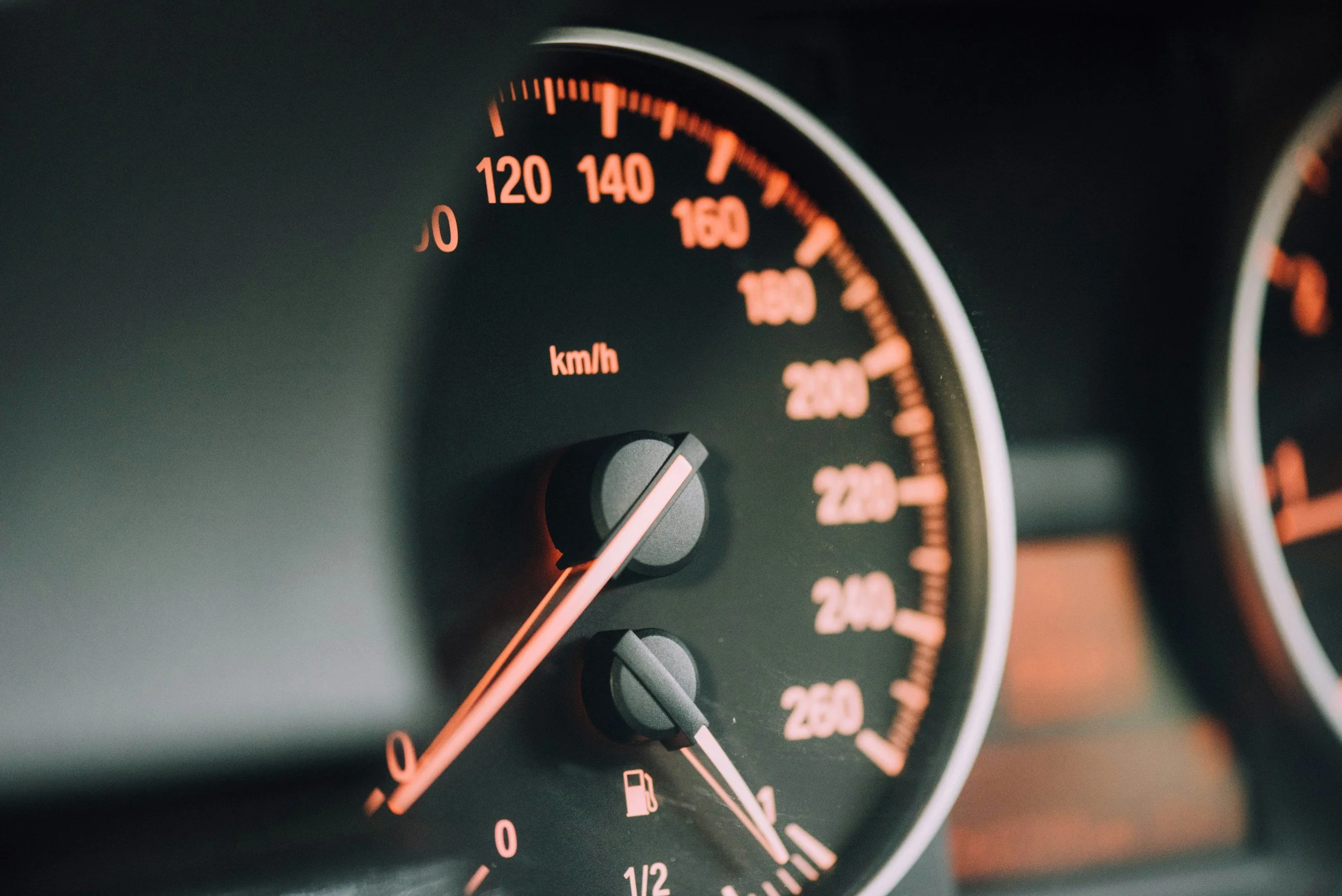
At 100 km/h, a three second microsleep means travelling more than 80 metres with your eyes closed. That’s a long way to go without being in control.
What Drives Fatigue?
Fatigue is not all the same. It is generally shaped by two main factors.
Task Related Fatigue
This happens when the driving task itself wears you down. It can occur during monotonous driving, highly demanding conditions or long periods behind the wheel.
You may still be awake, but your focus, control and mental energy may be reduced. A common warning sign is arriving somewhere without clearly remembering parts of the drive.
Sleep Related Fatigue
This is about your current level of alertness. It is influenced by sleep quality, how long you have been awake, your body clock, stress, health, workload, environment and other conditions around you.
Checking in with yourself before and during a drive can help you notice when alertness is starting to slip.
Fatigue Warning Signs
Most fatigue signs show up in four areas: your body, your attention, your mood, and how you drive.”
Body Signs
Watch for sore or tired eyes, frequent blinking, rubbing your eyes, heavy eyelids, stiffness, aches or feeling physically uncomfortable.
Eye signs should be treated seriously. If your eyes feel heavy or difficult to keep open, stop somewhere safe and respond before continuing.
Attention Signs
Warning signs include poor concentration, daydreaming, distraction, feeling bored or on autopilot, missing a turn or sign, or not remembering the last few kilometres clearly.
Mood Signs
Fatigue can show up as irritability, impatience, feeling flat, low motivation or overreacting to small issues.
Driving Signs
Watch for inconsistent speed, drifting in the lane, small driving errors, delayed reactions or poor timing at lights, gaps or turns.
If your driving starts to wander, act straight away.
Notice. Check. Act Early.
When fatigue signs appear, use a simple routine.
Notice the sign.
Fatigue can show up in your body, attention, mood or driving. You might notice heavy eyes, blinking more than usual, poor concentration, daydreaming, feeling impatient, drifting in the lane, inconsistent speed or small driving errors.
Check how serious it is.
Ask yourself: is this mild, building or urgent? If you notice two or more signs at once, treat fatigue as building. If you have eye signs — like heavy eyelids or trouble keeping your eyes open — or your driving starts to wander, treat it as urgent.
Act early.
Do not wait until you are fighting sleep. Pull over somewhere safe, take a proper break, follow your workplace procedure, swap drivers if possible, or stop and recover before continuing.
Safer Ways To Manage Fatigue
There is no single fix for fatigue. The best approach is to use a mix of strategies and act before fatigue becomes urgent.
Prevent It Before Driving - The strongest strategies happen before fatigue builds. Plan enough time for sleep, protect your sleep before driving, keep a workable sleep routine where possible, manage screen time and stimulation before bed, allow time to switch off and plan travel and recovery.
Reduce Fatigue During The Drive- Use breaks properly, break up long periods of monotony, move your body during stops, check in with yourself and notice when mood, frustration or stress are affecting alertness. A power nap of no more than 20 minutes may also help. Having a coffee before a power nap may provide a double boost when you wake.
Use Alertness Boosters Carefully- Many people use music, opening a window, or air conditioning. These can help briefly, but they are only temporary relief. They do not fix dangerous sleepiness. If you are drowsy while driving, stop somewhere safe. Don’t try to push through.
[SUGGESTED BREAKOUT BOX: The strongest fatigue strategies happen before fatigue builds. Act early, and you give yourself more safe options.]
Workplace And Fleet Driving
For people who drive for work, fatigue is a shared safety issue. It can be shaped by work demands, schedules, time on task, workplace culture and pressures outside work.
Common risk factors include extended periods on task, changing schedules, long commutes, high risk times of day or night, limited time between shifts, disrupted sleep, untreated sleep problems, and periods of high pressure or emotional demand.
Supervisors and organisations can support safer fatigue management by encouraging check ins, treating fatigue concerns seriously, supporting breaks and recovery, reducing pressure to push through and reinforcing that fatigue management is part of safe work.
A safer fatigue culture is built through repeated action, not just safety messages.
The AAA is the nation’s peak motoring body, representing Australia’s state-based motoring clubs (NRMA, RACV, RACQ, RAA, RACWA, RACT, AANT) and their more than 10 million members. It is an apolitical and technology-neutral advocate for federal transport policy that improves safety, equity, and sustainability.
Sept 26